
Understanding PDF/A Standards for Long-Term Archiving
The Importance of Archival Standards
Digital files decay over time in ways that physical paper does not. Software versions change and hardware becomes obsolete. A document created today might not open correctly in twenty years. PDF/A addresses this specific risk by creating a self-contained format. All elements required to display the file are stored within it. This includes fonts, color profiles, and image data. Preservation of visual integrity is the primary goal of this international standard. Governments and legal institutions demand this format for all permanent records.
Technical Layers of PDF/A
Various versions of the standard exist to serve different needs. PDF/A-1 follows the older PDF 1.4 specification. Newer versions like PDF/A-4 adapt to more modern capabilities while maintaining archival safety. Level B (Basic) ensures that the visual appearance remains consistent. Level A (Accessible) includes structural tags for screen readers and search engines. Turnexedic allows users to verify if their files meet these specific criteria. Select the correct level based on the intended lifespan of the record. Check for embedded multimedia or external links that are forbidden in archival versions.
{{image-blog-post2-intext-1}}
Implementing PDF/A in Business Workflows
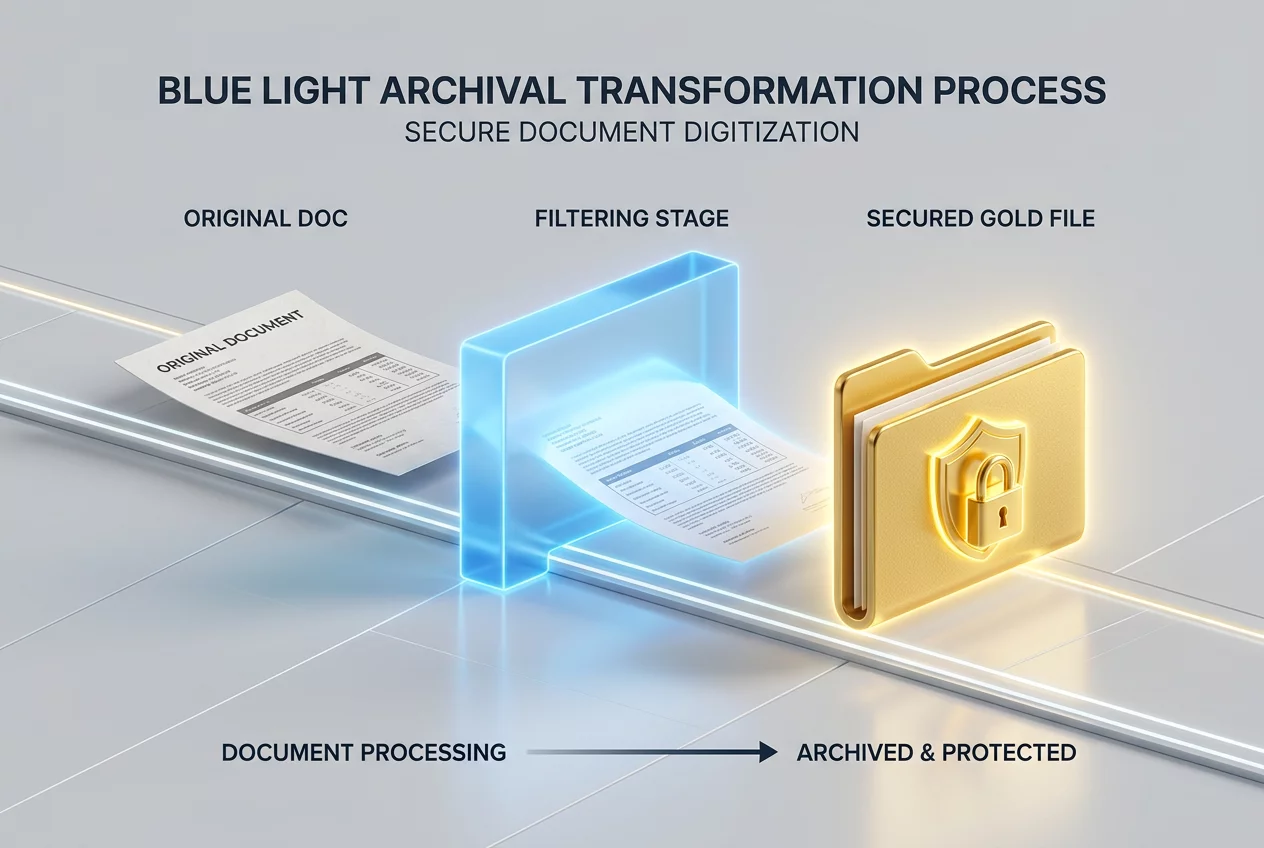
Compliance requires a systematic approach to file generation. Configure scanners to output PDF/A files directly during the digitizing process. Set the default saving options in office applications to archival formats. Verify the integrity of existing archives regularly. Migration tools can convert standard documents into compliant ones. Use automated batch processing for large volumes of legacy data. This ensures that every contract and invoice remains readable for decades. Institutional memory depends on the reliability of these digital formats.
Future-Proofing Your Data
Storage technology will continue to evolve rapidly. Formats that rely on external dependencies eventually fail. Self-contained documents offer the highest level of security against data loss. Professional PDF readers provide the tools to inspect and repair metadata. Organize files using a clear naming convention that includes the date of creation. Store copies in multiple geographical locations to prevent local disasters from destroying the record. Manage the lifecycle of the information through careful planning. Otherwise, valuable historical data might become a collection of unreadable bits. Reliable software ensures that these files remain accessible across different operating systems and hardware configurations.